
How Modular & Pre-Engineered Components Are Redefining Dry Room Design and Delivery

Dry rooms are essential across a wide range of industries—from lithium-ion battery R&D to electronics manufacturing, advanced materials, aerospace, and more. These environments rely on precise humidity control, clean airflow, and stable thermal conditions to protect sensitive processes and ensure product integrity.
Traditionally, dry rooms were built using custom, one-off construction approaches. But as performance standards rise and projects demand shorter timelines and greater flexibility, the industry is shifting toward modular and pre-engineered components as a faster, more reliable, and more scalable alternative.
Why Dry Rooms Benefit from Modular & Pre-Engineered Design
Dry rooms are technically complex and highly sensitive environments. Even small inefficiencies in design, construction, or operation can create major cost and performance challenges.
Modular and pre-engineered components solve these challenges by enabling:

Instead of fabricating every element from scratch, teams build from standardized, performance-tested building blocks designed specifically for dry-room applications.
Modular Builds vs. Traditional Builds: “Lego Blocks vs. Popsicle Sticks”
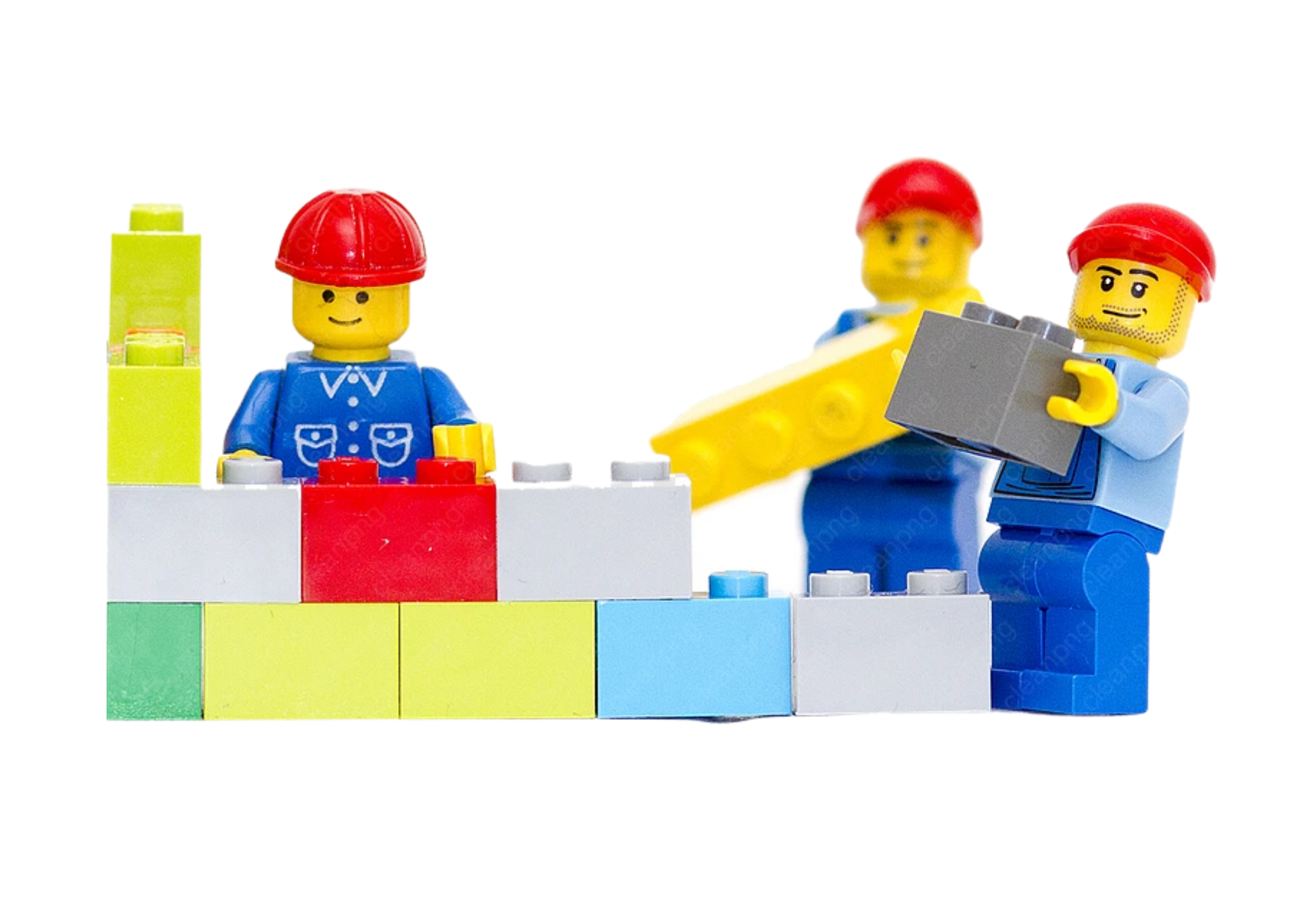
Modular Construction (Legos)
- Pre-engineered, validated components
- Parallel construction reduces timelines
- Faster, more consistent installation
- Easily scalable or repeatable for future rooms
- Predictable cost, performance, and delivery
- Designed for long-term flexibility and smooth upgrades

Traditional Construction (Popsicle Sticks)
- Highly customized builds requiring redesigns
- Sequential, slower construction timelines
- High dependency on field labor and site conditions
- Difficult to scale or duplicate consistently
- Greater cost variability and schedule risk
- Limited flexibility for future expansion or changes
What Counts as Modular & Pre-Engineered in a Dry Room?
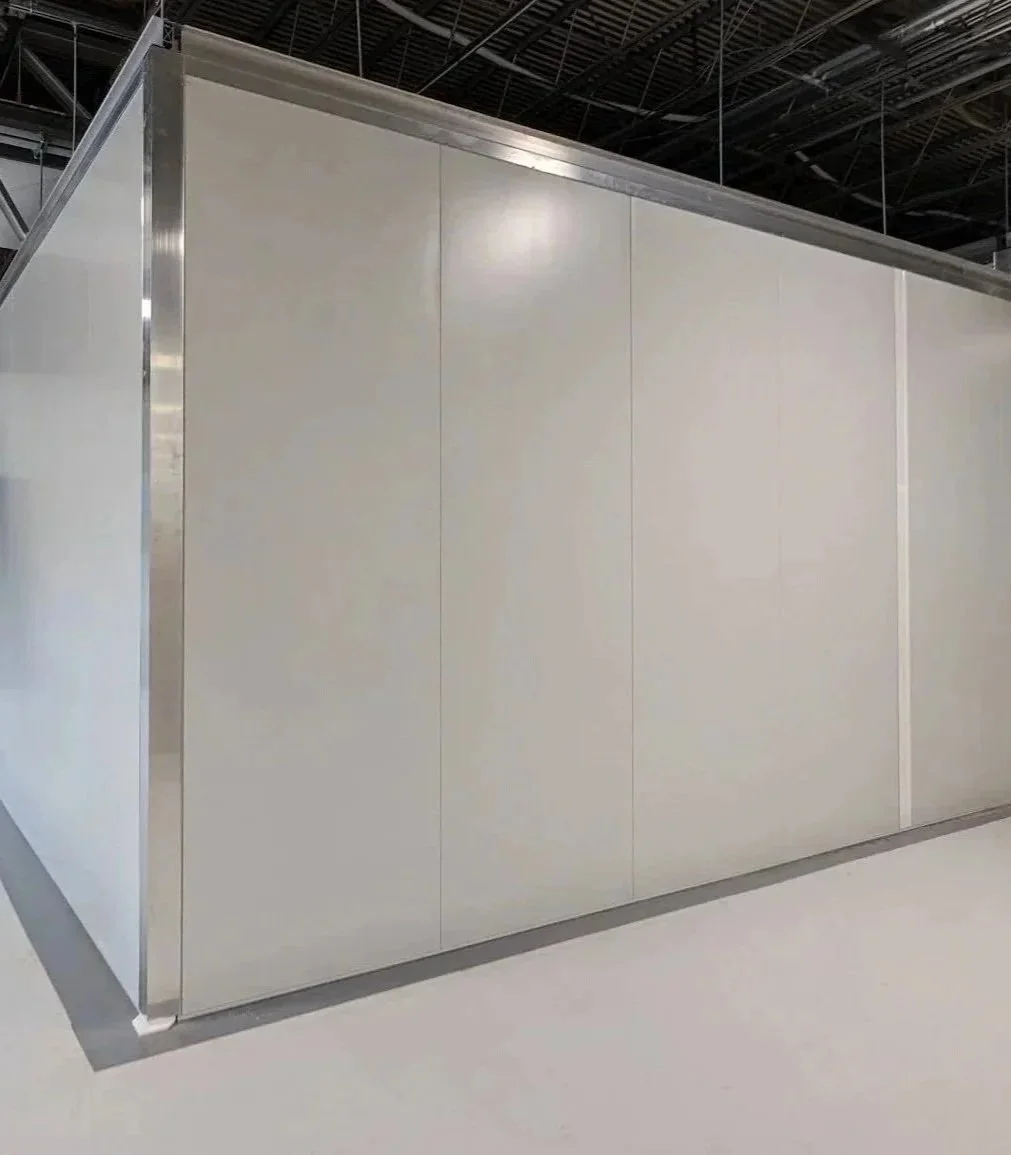
Many components of a dry room can be standardized and modularized.
Airtho’s solutions apply modularity across four main categories:
1. Architectural Systems
Modular walls and ceilings
Pre-engineered access panels
Factory-built penetrations and seal details
2. Mechanical & Airflow Systems
Pre-engineered Dehumidification Units (DHUs)
FFUs for circulation and HEPA filtration
Dedicated cooling modules
Integrated Make-Up Air (MUA) systems
3. Ductwork & Piping Kits
Pre-assembled duct segments
Standardized piping packages
Consistent connection geometries
4. Structural & Support Components
Modular steel framing
Pre-defined load capacities
Simplified installation interfaces
These components are designed for compatibility, repeatability, and consistent environmental performance.
Phase 1: Design & Procurement — Faster, Clearer, and More Predictable
Modular components dramatically shorten early-phase project timelines because they reduce the need for custom engineering and eliminate guesswork.

4+ months reduced during design & procurement
Benefits Include:
Shorter design cycles
Earlier decisions on layout and airflow strategies
More accurate budgeting
Reduced engineering revisions
Flexible planning for future expansion
Modularity allows design teams to work from known, validated performance data rather than starting from zero.
Typical timeline savings:
4+ months reduced during design & procurement.
Phase 2: Construction, Start-Up & Commissioning — Streamlined From Day One
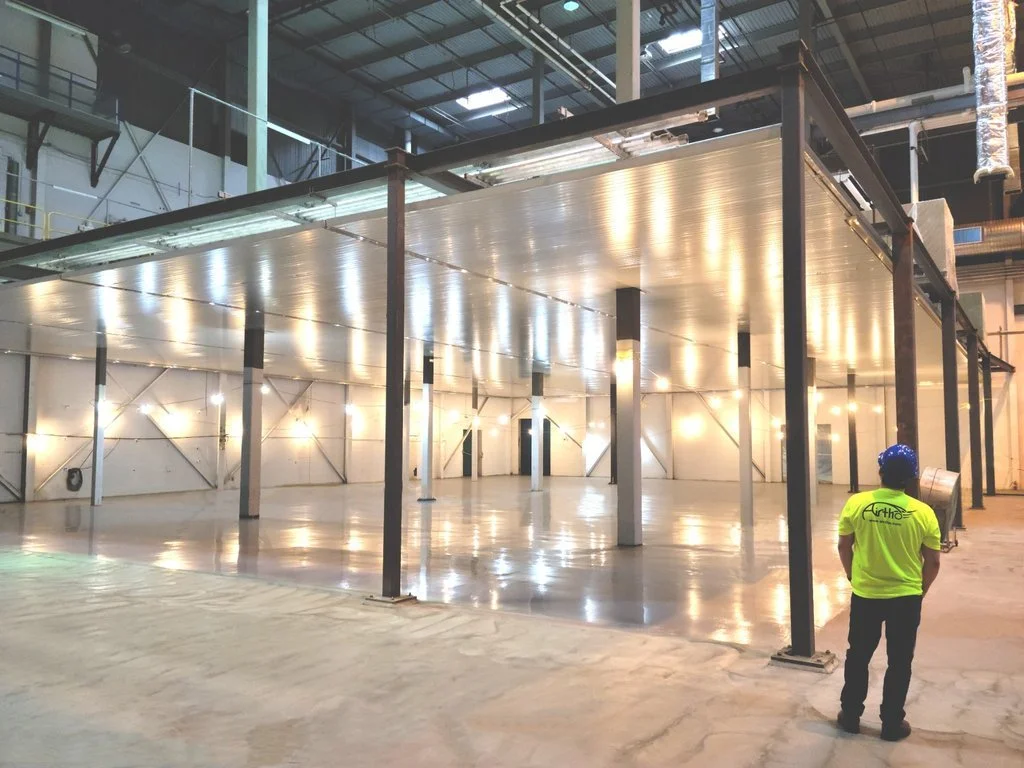
Modular dry-room construction breaks away from the slow, sequential nature of traditional building methods.
1. Construction and manufacturing happen in parallel
While the site is being prepared, components are fabricated offsite—reducing overall project duration.
2. Faster onsite installation
Because components arrive standardized and ready to assemble, construction crews benefit from:
Fewer field modifications
Repeatable installation steps
Standard hardware and connection details
Reduced coordination complexity
3. Faster commissioning
Many modular components undergo FAT (Factory Acceptance Testing) before shipment, reducing onsite troubleshooting.
Measured outcomes:
30–50% faster construction
Significant cost reductions in installation labor
4–6 months for typical room build
1–2 months for start-up and commissioning
These gains apply to small dry rooms just as effectively as large ones.
Phase 3: Operation — Built for Longevity and Adaptability
Dry rooms often evolve over time as processes change, new equipment is added, or capacity increases. Modular and pre-engineered systems support this evolution more easily than custom-built rooms.
Operational benefits include:
More consistent performance
Faster maintenance and simplified spare parts management
Ability to add or adjust components without major redesign
Repeatable procedures for expanding or reconfiguring the room
Reduced downtime compared to custom systems
Modularity ensures that dry rooms stay resilient and adaptable throughout their lifecycle.
Why Modularity Is Becoming the Standard in Dry Rooms
Across industries, modular and pre-engineered components are rapidly becoming the preferred approach because they deliver:
✔ Faster installation and startup
✔ More predictable project outcomes
✔ Better system reliability and performance
✔ Greater flexibility for process changes
✔ Lower lifecycle costs
For facilities that need to move quickly while maintaining precise environmental control, modularity isn’t just convenient—it’s transformative.
Conclusion
Dry rooms require precision, efficiency, and long-term reliability. Modular and pre-engineered components provide a proven way to achieve all three while reducing timelines, lowering risk, and supporting future scalability.
Whether you’re designing a small R&D lab or a full production environment, adopting a modular mindset leads to better performance and smoother delivery at every stage of the project.