
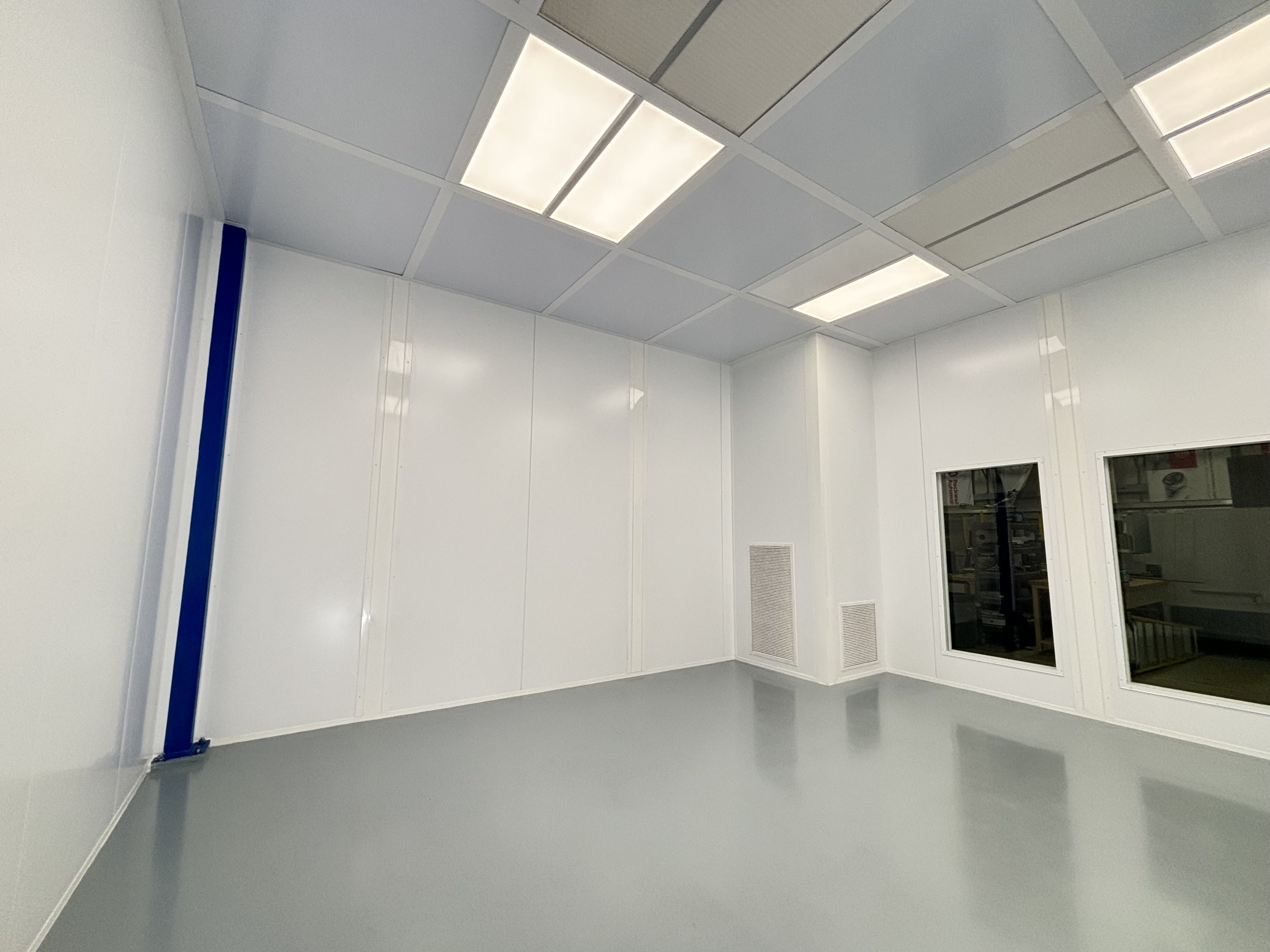
Why Dry Room Infrastructure Should Be Treated as a Core Production Asset
In lithium-ion battery manufacturing, few systems influence product quality, yield, and operational stability as directly as the dry room. Yet dry room infrastructure is still often treated like a supporting utility—planned late, value-engineered aggressively, and judged primarily on upfront cost. That mindset is costly.
Ultra-low dew point environments are not optional accessories in battery production. They are core production assets—as critical to throughput and yield as coating, calendaring, or formation equipment. When dry room systems are under-designed or misunderstood, the consequences show up immediately in higher scrap rates, process instability, and runaway energy costs.
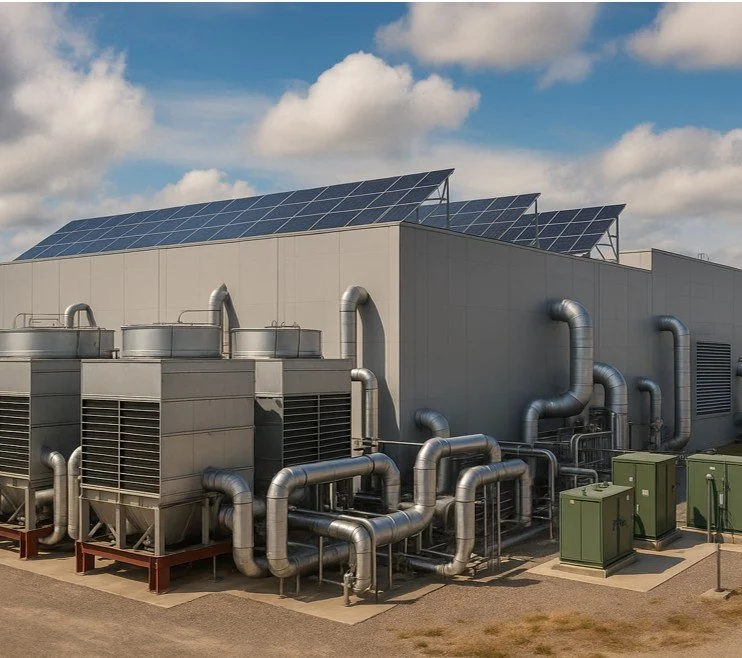
Driving Gigafactory Energy Efficiency Through Smarter Dry Room Design
As global electrification accelerates, gigafactories are scaling at unprecedented speed—and so are their energy requirements. With facilities often consuming 30–50 kWh of electricity for every 1 kWh of battery output, energy use is now one of the largest cost drivers in modern battery manufacturing. For a 3–5 GWh factory, monthly electric bills frequently exceed $1.1–$1.8 million.
A significant portion of this demand comes from the dry room—one of the most critical and energy-intensive environments in the entire facility. At Airtho, we specialize in designing and delivering energy-efficient dry rooms and integrated modular systems that reduce both upfront costs and long-term operating expenses, helping manufacturers build smarter, faster, and more sustainably.

How Modular & Pre-Engineered Components Are Redefining Dry Room Design and Delivery
Dry rooms are essential across a wide range of industries—from lithium-ion battery R&D to electronics manufacturing, advanced materials, aerospace, and more. These environments rely on precise humidity control, clean airflow, and stable thermal conditions to protect sensitive processes and ensure product integrity.
Traditionally, dry rooms were built using custom, one-off construction approaches. But as performance standards rise and projects demand shorter timelines and greater flexibility, the industry is shifting toward modular and pre-engineered components as a faster, more reliable, and more scalable alternative.